How Do Airport Limousine Buses Work and Do I Need Reservations?
A local's complete guide to Japan's airport limousine buses. Learn about reservations, pricing, routes, and why this might be your best airport transfer option.
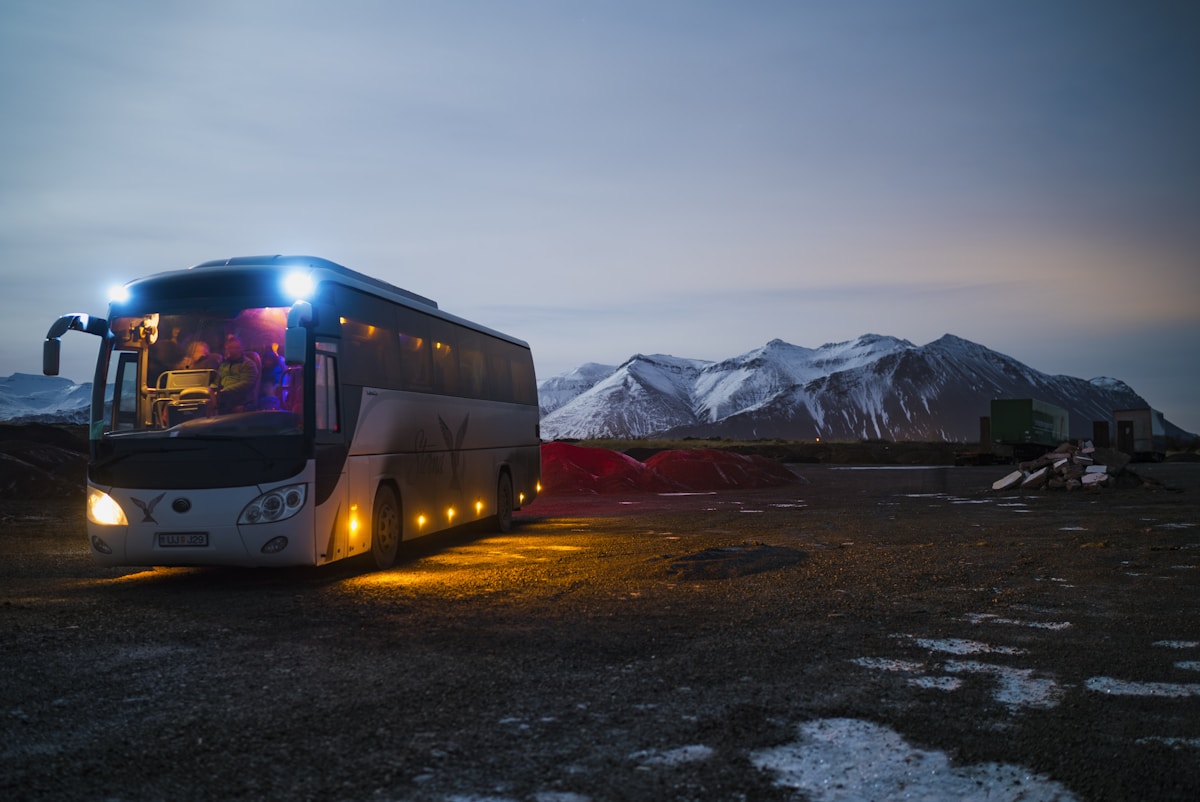
“I keep hearing about ‘limousine buses’ from the airport. How do they work, and do I need to make a reservation?”
Great question! Despite the fancy name, airport limousine buses are actually a practical and affordable way to get from Narita or Haneda airports to Tokyo. They’re not stretch limos—just comfortable, direct buses! Let me explain everything from my experience using them over the years.
What Exactly Is a Limousine Bus?
“Why are they called ‘limousine’ buses if they’re regular buses?”
The name comes from the Japanese translation of “luxury bus service.” They’re called リムジンバス (rimuji-n basu) and offer a higher level of comfort than regular city buses:
- Comfortable reclining seats with good legroom
- Large luggage storage under the bus
- Direct routes to major hotels and stations
- No transfers required
- Wi-Fi and power outlets on most buses
- Professional service with luggage handling
Think of it as a comfortable shuttle bus, not an actual limousine!
“Do I need to make reservations?”
Here’s the honest answer: it depends on direction and timing.
From the airport TO the city:
- Generally no reservation needed
- Buses run frequently (every 15-30 minutes on popular routes)
- Just buy a ticket and catch the next available bus
- During peak times, you might wait one bus if it’s full
From the city TO the airport:
- Reservations highly recommended
- Morning departures (5-9 AM) fill up fast
- Holiday periods can be fully booked days in advance
- Don’t risk missing your flight—book ahead!
“How much do limousine buses cost compared to trains?”
Here’s a comparison of the main routes:
| Route | Limousine Bus | Train Alternative |
|---|---|---|
| Narita → Shinjuku | ¥3,200 (~$24 USD) | ¥3,250 (Narita Express) |
| Narita → Tokyo Station | ¥2,800 (~$21 USD) | ¥3,070 (Narita Express) |
| Haneda → Shinjuku | ¥1,300 (~$10 USD) | ¥610 (Keikyu + JR) |
| Haneda → Tokyo Station | ¥950 (~$7 USD) | ¥650 (Monorail + JR) |
| Haneda → Shibuya | ¥1,100 (~$8 USD) | ¥580 (Keikyu + Tokyu) |
For Narita, prices are similar to trains. For Haneda, trains are cheaper but require transfers.
“What are the advantages over taking the train?”
From my experience, limousine buses are better when:
-
You have heavy luggage – No dragging bags through train stations, up stairs, or squeezing through crowded cars. Staff loads your luggage under the bus.
-
You’re going to a major hotel – Many buses stop directly at hotel entrances. No navigating from the station with bags.
-
You’re exhausted – After a long flight, just sit down and let someone else handle navigation.
-
You’re traveling with kids or elderly – Much easier than managing a group on trains.
-
You’re arriving late at Narita – Last trains leave around 9-10 PM, but buses run later.
“How do I actually buy tickets and board the bus?”
At the airport (Narita or Haneda):
- Find the limousine bus counter – Clearly marked in the arrivals area
- Tell them your destination – Hotel name or station
- Pay for your ticket – Cash, credit card, or IC card accepted
- Receive your ticket and boarding pass – Shows your bus number and departure time
- Go to the correct bus stop – Staff will direct you
- Give your luggage to the staff – They’ll load it and give you a claim tag
- Board and relax!
From the city to the airport:
- Book online in advance – Airport Limousine website (airportlimousine.co.jp)
- Or buy at hotel concierge – Many hotels sell tickets
- Arrive at the bus stop 10-15 minutes early
- Show your reservation/ticket
- Board and go!
What Japanese People Actually Do
Most locals:
- Use limousine buses when staying at major hotels (very common for business travelers)
- Take trains when going to areas not well-served by buses
- Always reserve when heading TO the airport (no one wants to risk missing a flight)
- Use the time on the bus to rest or catch up on work
- Prefer buses on rainy days (no walking between stations)
Business travelers especially love the direct-to-hotel service. It’s professional and hassle-free.
“Which routes are the most useful for tourists?”
Most popular routes from Narita:
- Shinjuku (convenient for western Tokyo hotels)
- Tokyo Station (central hub)
- Ginza/Nihonbashi (central shopping area)
- Ikebukuro (major station area)
- Yokohama (YCAT terminal)
Most popular routes from Haneda:
- Shinjuku (multiple hotel stops)
- Shibuya/Roppongi
- Tokyo Station
- Ginza
Pro tip: Check if there’s a stop at or near your hotel. If there is, the bus is almost always the most convenient option.
Practical Info Summary
| Detail | From Airport | To Airport |
|---|---|---|
| Reservations | Usually not needed | Highly recommended |
| Frequency | Every 15-30 min | Check schedule |
| Luggage | 2 large bags included | Same |
| Travel time | Narita: 85-120 min / Haneda: 30-60 min | Add buffer for traffic |
| Payment | Cash, card, IC card | Same |
Extra Travel Tips
-
Traffic can affect timing – Especially from Narita. During rush hour or bad weather, buses can take 2+ hours. Don’t book a bus with tight connections.
-
Narita night buses exist – If you arrive after last trains, the “Midnight Express” runs to Shinjuku and other areas (¥2,000-3,000).
-
Check for combo deals – Sometimes there are discounts when booking round-trip or through your hotel.
-
Keep your luggage tag safe – You’ll need it to claim your bags at your stop.
-
Download the schedule – The Airport Limousine app shows real-time bus locations and delays.
-
Compare with shared taxis – For groups of 3-4, shared airport taxis can sometimes be competitive in price and faster.
Have more questions about getting around Japan? Follow me on YouTube, Instagram, and TikTok for daily travel tips!