Is Coffee Good in Japan? Guide to Japanese Coffee Culture
A local explains Japan's unique coffee scene. From kissaten to third wave cafes.
“Is coffee in Japan any good? I’m a coffee lover.”
Yes! Japan has amazing coffee culture. It’s different from the West but just as good!
Types of Coffee Shops
“What options exist?”
Kissaten (Traditional cafes)
- Old-school Japanese coffee shops
- Hand-drip coffee
- Retro atmosphere
- Often smoky (older ones)
- Slower pace
Third Wave/Specialty
- Modern coffee shops
- Single origin beans
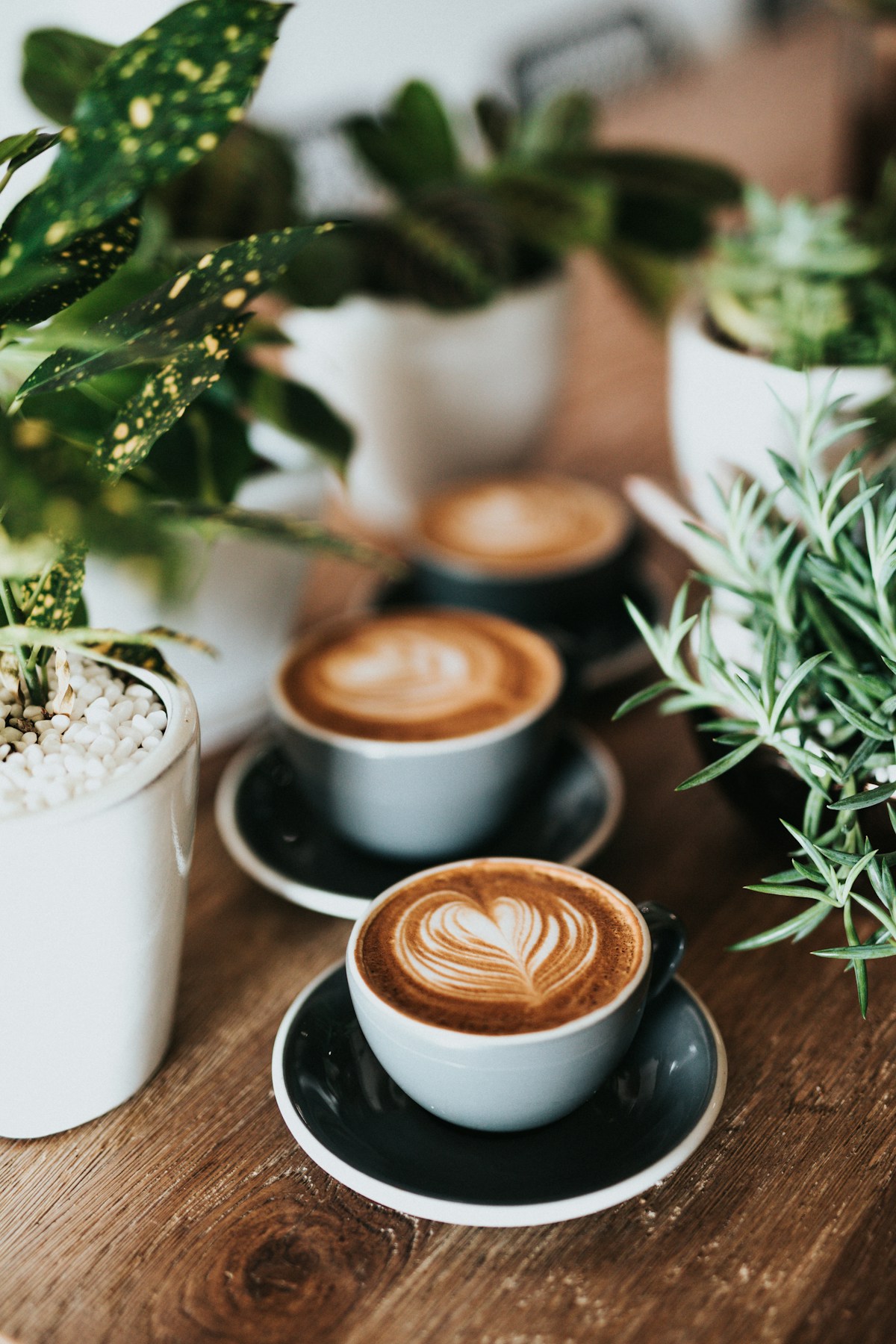
- Latte art
- Similar to Western specialty
Chains
- Starbucks (everywhere)
- Doutor (cheap and good)
- Tully’s Coffee
- Komeda Coffee (Nagoya style)
What Makes Japanese Coffee Special
“What’s different?”
Unique aspects:
- Nel drip (flannel drip) method
- Siphon coffee preparation
- Attention to detail
- Coffee shops as a ritual
- Kissaten culture since 1950s
Try: Hand-drip coffee at a traditional kissaten!
Where to Go
“Any recommendations?”
For kissaten experience:
- Café de l’Ambre (Ginza) – Since 1948
- Chatei Hatou (Shibuya) – Serious coffee
- Tajimaya Coffee (Asakusa) – Classic
For specialty:
- Blue Bottle Coffee – Multiple locations
- Fuglen Tokyo – Norwegian roaster
- Onibus Coffee – Local favorite
Convenience Store Coffee
“What about quick coffee?”
Actually great!
- 7-Eleven: 100 yen fresh brew
- Lawson: Machine coffee
- Family Mart: Good quality
Better than you’d expect!
What Japanese People Actually Do
Most locals:
- Have a favorite neighborhood kissaten
- Drink canned coffee from vending machines
- Use convenience store coffee daily
- View coffee shops as relaxation spaces
Extra Travel Tips
-
Morning sets – Coffee + toast combo, great value
-
Canned coffee – Try hot from vending machines
-
Kissaten hours – Often close early (6-8 PM)
-
Table charge – Some kissaten have minimum order
-
No laptops – Some traditional places discourage working
Have more questions about food and drink in Japan? Follow me on YouTube, Instagram, and TikTok for daily tips!