Have You Hiked Mt. Fuji via Day Hike? How Long from Station 5?
A local's complete guide to day hiking Mt. Fuji. Route options, timing, preparation tips, and what to expect from the 5th Station to the summit.
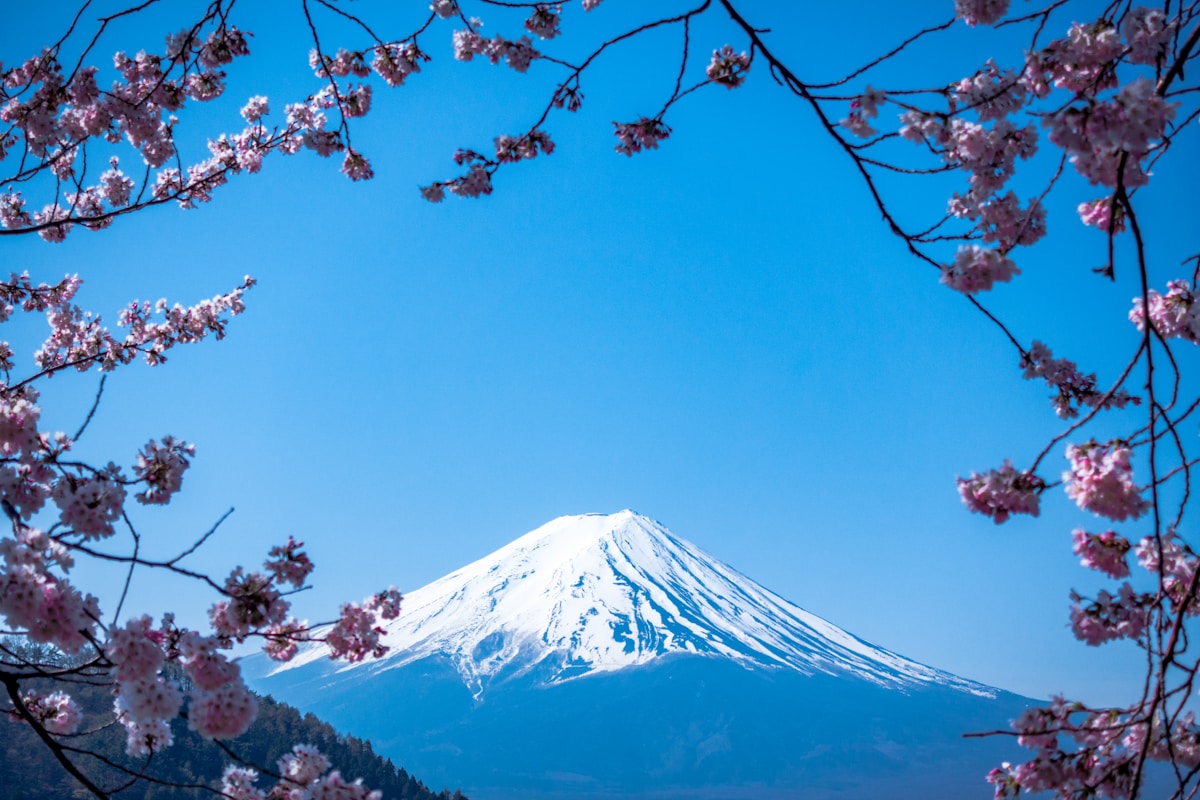
“Have you actually hiked Mt. Fuji as a day hike? How long does it take from the 5th Station?”
Yes, I’ve done the classic day hike starting from the 5th Station on Mt. Fuji, and honestly, it’s quite the challenge but totally doable if you prepare well! Let me share everything I learned from my experience.
The Honest Truth About Day Hiking Fuji
“Is it realistic to do Mt. Fuji as a day hike?”
Yes, but it’s demanding. Most people do an overnight hike (climb at night, watch sunrise, descend in morning), but a day hike is absolutely possible if:
- You’re in reasonable physical condition
- You start early (4-5 AM from 5th Station)
- You pick the right route
- You prepare properly
I’ve done it both ways, and the day hike is actually my preference—no crowded mountain huts, no trying to sleep at altitude, and you can take your time.
Time Estimates by Route
“How long does each route actually take?”
Here’s what to realistically expect:
| Route | Ascent | Descent | Total | Difficulty |
|---|---|---|---|---|
| Yoshida | 5-7 hrs | 3-4 hrs | 8-11 hrs | Most popular |
| Fujinomiya | 4-7 hrs | 2-4 hrs | 6-11 hrs | Shortest but steepest |
| Subashiri | 5-8 hrs | 3-4 hrs | 8-12 hrs | Quieter, forest start |
| Gotemba | 7-10 hrs | 3-5 hrs | 10-15 hrs | Longest, ash descent |
My recommendation: The Yoshida Trail is best for first-timers. It’s the most popular, has the most mountain huts (for rest/snacks/toilets), and is well-maintained.
My Detailed Timeline (Yoshida Route)
“Can you break down what a typical day hike looks like?”
Here’s how my day hike went:
| Time | Activity |
|---|---|
| 4:00 AM | Depart 5th Station |
| 6:30 AM | Reach 7th Station (first major rest) |
| 8:30 AM | Reach 8th Station |
| 10:00 AM | Summit! Crater rim reached |
| 10:30 AM | Walk around crater, photos |
| 11:00 AM | Begin descent |
| 2:00 PM | Back at 5th Station |
Total: About 10 hours door to door.
Important: These times assume steady pace, good weather, and adequate acclimatization breaks.
What Japanese People Actually Do
Most locals:
- Prefer the overnight hike to see the famous “goraiko” (御来光) sunrise from the summit
- Climb during the official season only (early July to early September)
- Check weather forecasts obsessively (Fuji weather changes fast!)
- Stay at a mountain hut around the 8th Station
- Consider climbing Fuji a once-in-a-lifetime event (there’s a saying: “A wise man climbs Fuji once; only a fool climbs it twice!”)
That said, I’ve climbed it three times now… so maybe I’m the fool!
Essential Preparation
“What do I need to prepare for a day hike?”
Physical preparation:
- Start training 4-6 weeks before
- Do hill walks with your actual hiking boots
- Build stamina with cardio (stairs are your friend!)
- Practice with a loaded backpack
Gear checklist:
| Category | Items |
|---|---|
| Clothing | Layers (it’s cold at top!), rain jacket, warm fleece |
| Footwear | Sturdy hiking boots (broken in!), gaiters optional |
| Headwear | Hat, headlamp (for early start) |
| Food/Water | 2+ liters water, snacks, electrolytes |
| Other | Cash (¥1,000 notes), sunscreen, tissues |
Do NOT bring:
- Jeans (they get wet and stay wet)
- Cotton clothing (gets cold when sweaty)
- Sandals or sneakers (you will regret it)
The Altitude Challenge
“What about altitude sickness?”
This is serious! The 5th Station is already at 2,300m (7,500ft), and the summit is 3,776m (12,388ft). Many people underestimate this.
Symptoms to watch for:
- Headache
- Nausea
- Dizziness
- Shortness of breath
Prevention tips:
- Ascend slowly – Don’t rush! The mountain isn’t going anywhere.
- Take breaks – Rest 5-10 minutes every 30-45 minutes
- Stay hydrated – Drink constantly, even if not thirsty
- Listen to your body – If symptoms worsen, descend immediately
I felt mild headache around the 8th Station but it improved with rest and water.
Costs and Logistics
“How much does it cost and how do I get there?”
Getting to the 5th Station (Yoshida):
- From Shinjuku: Highway bus, ¥2,950 one-way (~$22 USD), 2.5 hours
- Bus schedule: Check for first bus around 6-7 AM (earlier during peak season)
On-mountain costs:
| Item | Price |
|---|---|
| Toilet | ¥200-300 per use |
| Water (500ml) | ¥400-500 |
| Cup noodles | ¥500-800 |
| Rest at hut | ¥1,000+ (just resting, not sleeping) |
Bring cash! – Mountain huts don’t accept cards.
Climbing Season Warning
“When can I actually climb Mt. Fuji?”
Official season: Early July to early September (dates vary slightly each year)
Outside this period:
- Trails are officially closed
- Mountain huts are not operating
- Weather is extremely dangerous
- Rescue is difficult or impossible
- DO NOT attempt off-season climbs unless you’re an experienced mountaineer
The mountain claims lives every year, mostly from people ignoring these warnings.
My Verdict: Is It Worth It?
“Should I actually do this day hike?”
Absolutely, if:
- You’re reasonably fit
- You prepare properly
- You respect the mountain
- You’re okay with challenging yourself
Maybe reconsider if:
- You have no hiking experience
- You’re visiting during off-season
- You have health conditions affected by altitude
Reaching the summit of Japan’s highest and most sacred mountain is genuinely unforgettable. The view from the top, the sense of accomplishment, and the experience of climbing alongside people from all over the world—it’s something I’ll never forget.
Extra Travel Tips
-
Book your bus in advance – Seats fill up during climbing season
-
Check the weather – Seriously. Don’t climb in bad weather.
-
Start early – Afternoon weather tends to worsen; summit by noon if possible
-
The descent is harder on your knees – Bring trekking poles if you have bad knees
-
Post-climb onsen – Many people stop at an onsen near 5th Station or Kawaguchiko. You’ll want it!
-
Fuji views vs. climbing Fuji – If you just want to see Fuji, there are better viewpoints. You climb Fuji for the experience, not the views (since you’re ON the mountain!)
Have more questions about hiking in Japan? Follow me on YouTube, Instagram, and TikTok for daily tips!