What's the Difference Between Udon and Soba?
A local explains Japanese noodles. When to eat which and how to enjoy them.
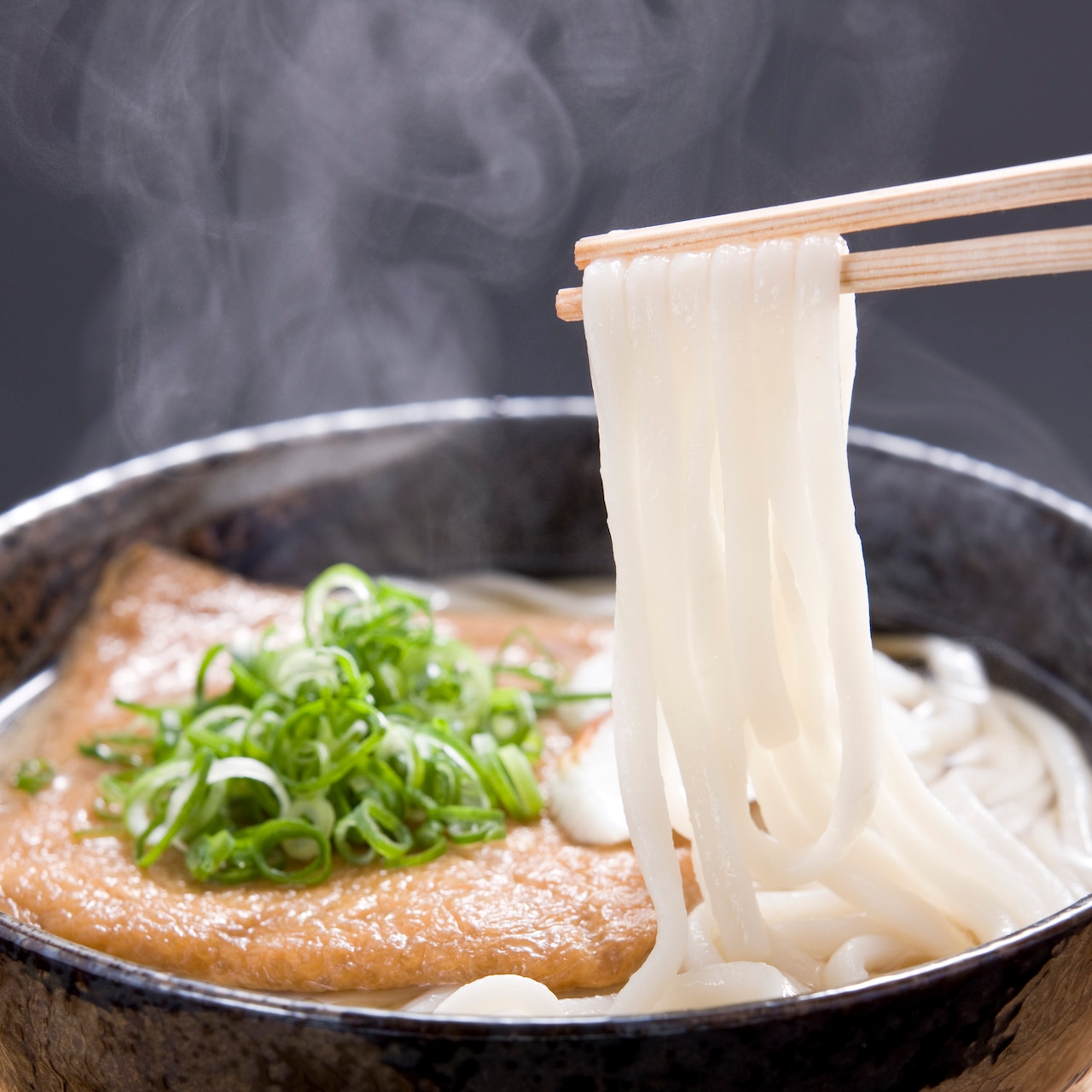
“What’s the difference between udon and soba?”
Both are traditional Japanese noodles! But they’re very different.
The Basic Difference
“How are they different?”
| Feature | Udon | Soba |
|---|---|---|
| Made from | Wheat flour | Buckwheat flour |
| Texture | Thick, chewy | Thin, slightly firm |
| Color | White | Brown/gray |
| Taste | Mild, neutral | Nutty, earthy |
Udon
“Tell me more about udon.”
Characteristics:
- Thick white noodles
- Very chewy texture
- Served hot or cold
- Mild flavor absorbs broth
Popular styles:
- Sanuki udon (Kagawa) – Most famous
- Kitsune udon – With sweet fried tofu
- Tempura udon – With tempura on top
- Curry udon – In curry broth
Soba
“What about soba?”
Characteristics:
- Thin brown noodles
- Made from buckwheat
- Nutty flavor
- Often served cold with dipping sauce
Popular styles:
- Zaru soba – Cold with dipping sauce
- Kake soba – Hot in broth
- Tempura soba – With tempura
- Toshikoshi soba – New Year’s tradition
Hot or Cold?
“When do you eat them hot or cold?”
Hot versions:
- Winter
- In broth (tsuyu)
- Comforting meal
Cold versions:
- Summer
- Dipped in sauce
- Refreshing option
Both work year-round!
What Japanese People Actually Do
Most locals:
- Have personal preferences
- Eat soba on New Year’s Eve (tradition)
- Know regional specialties
- Slurp noodles loudly (it’s normal!)
Extra Travel Tips
-
Slurping is OK – Actually expected!
-
Standing noodle shops – Quick, cheap, delicious
-
Regional varieties – Each area has specialties
-
Soba tea – Try the hot water used to boil soba (sobayu)
-
Allergies – Buckwheat allergies exist, be careful with soba
Have more questions about Japanese food? Follow me on YouTube, Instagram, and TikTok for daily tips!