Is It Hard to Be Vegetarian in Japan?
A local's honest guide for vegetarians. Challenges, solutions, and where to eat.
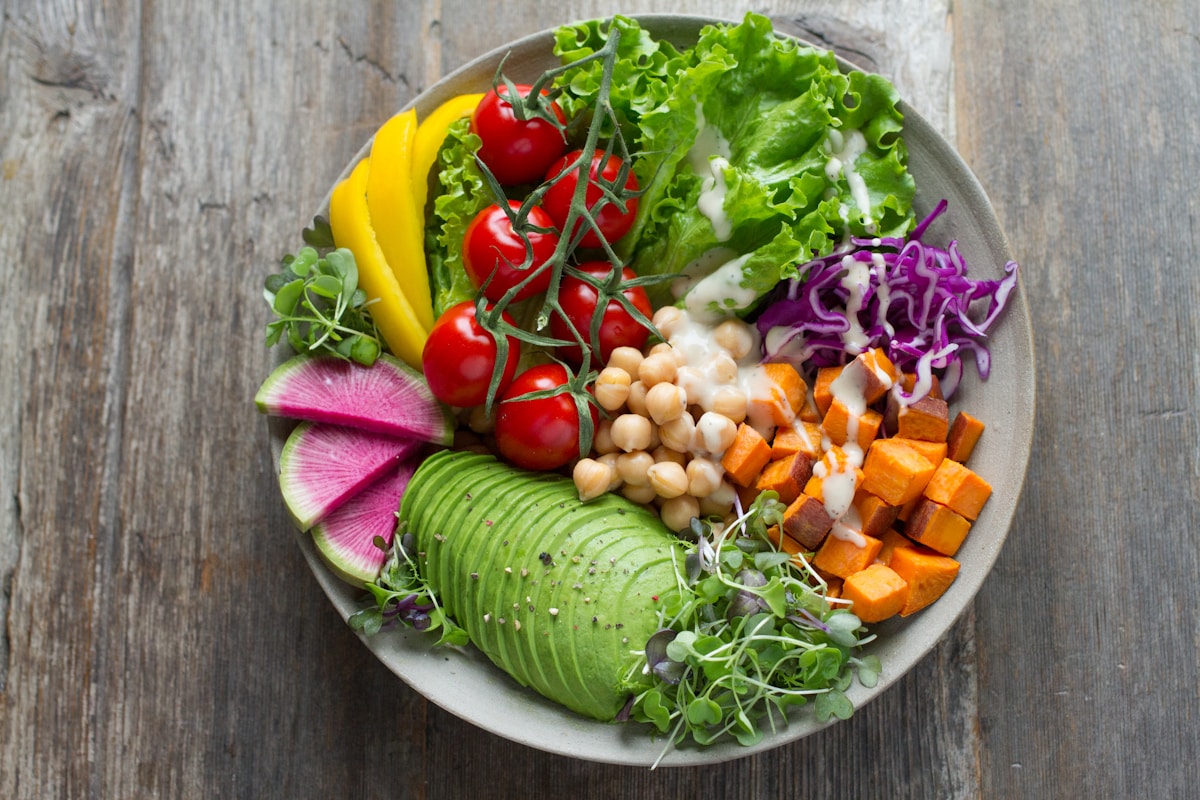
“I’m vegetarian. Will I struggle to find food in Japan?”
Honestly, it can be challenging. But it’s getting easier! Here’s what you need to know.
The Challenges
“What makes it difficult?”
Hidden ingredients:
- Dashi (fish stock) is in almost everything
- Even “vegetable” dishes often have dashi
- Miso soup usually contains fish stock
- Staff may not know all ingredients
Cultural difference:
- Vegetarianism is not common in Japan
- “No meat” doesn’t mean “no fish” to everyone
- Many people don’t understand strict vegetarianism
Solutions
“So what can I do?”
Helpful phrases:
- “I don’t eat meat or fish” – Use a translation app to show staff
- Vegetarian card apps – Show a card explaining your diet
Best food options:
- Indian restaurants – Many vegetarian options
- Buddhist temple food (Shojin Ryori) – 100% vegetarian
- Convenience stores – Plain rice balls, salads (check ingredients)
- Vegetarian-friendly restaurants – Use HappyCow app
Safe Foods
“What can I definitely eat?”
Usually safe:
- Plain rice
- Edamame (plain)
- Vegetable tempura (ask about oil)
- Tofu (plain)
- Fresh fruit
- Some onigiri (check filling)
Apps to use:
- HappyCow – Find vegetarian restaurants
- Google Translate – Check menus and ingredients
What Japanese People Actually Do
Most locals:
- Don’t follow vegetarian diets commonly
- May not understand dietary restrictions
- Are becoming more aware due to tourism
- Will try to help if you explain clearly
Extra Travel Tips
-
Learn key phrases – Or use a translation app
-
HappyCow app – Best resource for finding restaurants
-
Convenience stores – Check labels carefully
-
Shojin Ryori – Try Buddhist cuisine for authentic vegetarian Japanese food
-
Be patient – Staff want to help but may not understand
Have more questions about eating in Japan? Follow me on YouTube, Instagram, and TikTok for daily tips!